Science News • Aquaculture
Beyond Killing Pathogens: Building a Healthier Microbiome for Fish and Shrimp
A 2026 scientific review highlights how probiotics, prebiotics and synbiotics are shaping a new approach to aquaculture health:
not only controlling pathogens, but also actively building a healthier gut microbiome to support digestion,
immunity and resilience in farmed animals.
 Intensive aquaculture can improve productivity, but it also increases pressure from stress, environmental fluctuations and disease.
As aquaculture becomes more intensive, fish and shrimp are increasingly exposed to high stocking densities,
environmental fluctuations, stress and disease risks. For many years, antibiotics and chemicals have been used
to control pathogens. However, overuse can increase residue risks, affect the environment and accelerate the development
of antimicrobial resistance.
A 2026 review published in Frontiers in Marine Science shows that scientific attention is shifting from
simply “killing pathogens” towards managing beneficial gut microorganisms. The three main approaches receiving
growing interest are probiotics, prebiotics and synbiotics.

Feed is an important delivery route
Probiotics and prebiotics are often incorporated into diets to influence the gut environment of farmed fish and shrimp.
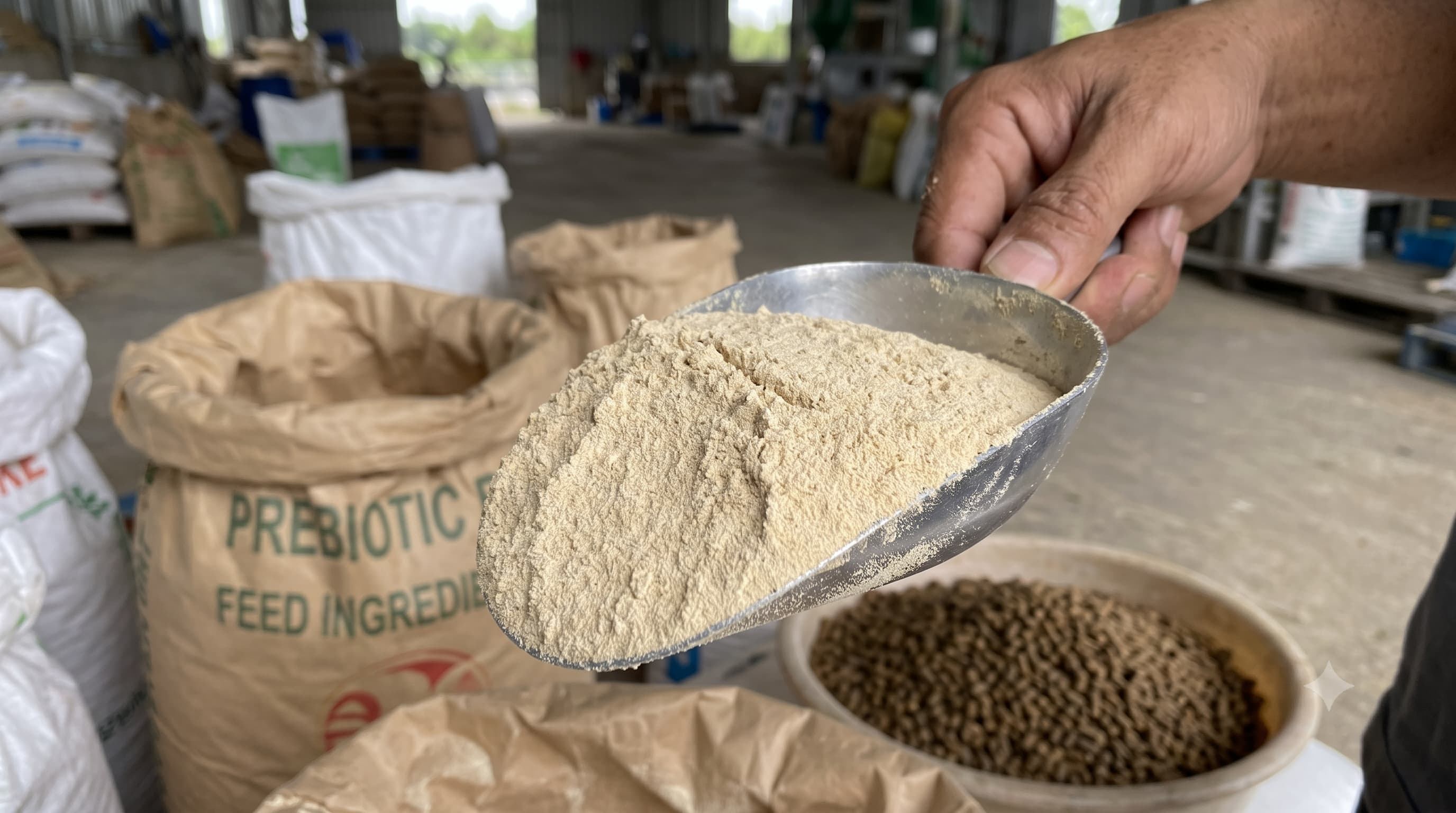
Prebiotics: “food” for beneficial bacteria
The simplest way to understand prebiotics is as substrates that help beneficial gut bacteria grow and function more effectively.
Probiotics: adding beneficial microorganisms
Probiotics are beneficial microorganisms such as Bacillus, Lactobacillus, Enterococcus
and certain yeasts. When appropriately added through feed or the culture environment, they may compete with harmful bacteria,
help stabilise the gut microbiome and stimulate immune responses. Some strains may also increase digestive enzyme activity,
helping animals use nutrients more efficiently.
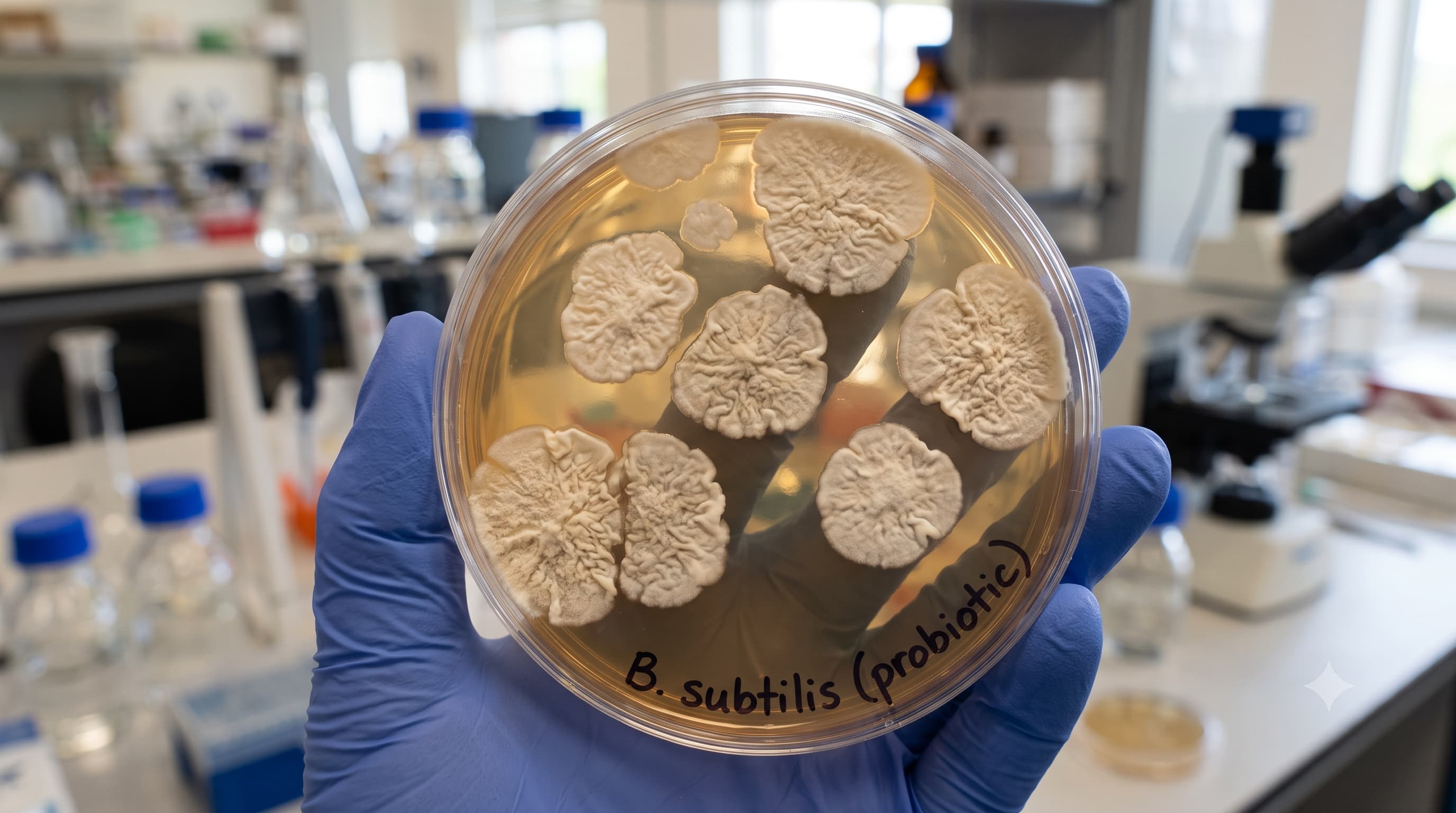 Not all microorganisms perform in the same way: outcomes depend on the strain, dose and culture conditions.
Prebiotics: a nutrient source for beneficial bacteria
Prebiotics are not living microorganisms. They are substrates such as FOS, GOS, MOS, inulin and β-glucan that are
not fully digested by the host but can be utilised by beneficial gut bacteria. In simple terms:
if probiotics are the “beneficial bacteria”, prebiotics are the “food source” that helps those bacteria grow and function.
In simple terms: Probiotics = beneficial bacteria • Prebiotics = nutrients for beneficial bacteria
• Synbiotics = a purposeful combination of both.
When fermented in the gut, prebiotics may generate short-chain fatty acids that support intestinal cells,
help regulate inflammatory responses and improve the digestive environment. Studies included in the review report
potential benefits for growth, survival, immune function and stress tolerance.
Synbiotics: when the two approaches work together
ProbioticsBeneficial bacteria
+
PrebioticsNutrient source
→
SynbioticsPurposeful combination
Synbiotics combine probiotics with prebiotics. The aim is not simply to add two ingredients together,
but to select a suitable prebiotic that helps the probiotic survive and perform more effectively in the gut.
Many studies suggest that this combination may support intestinal structure, digestive enzymes, nutrient absorption,
immunity and resistance to pathogens.
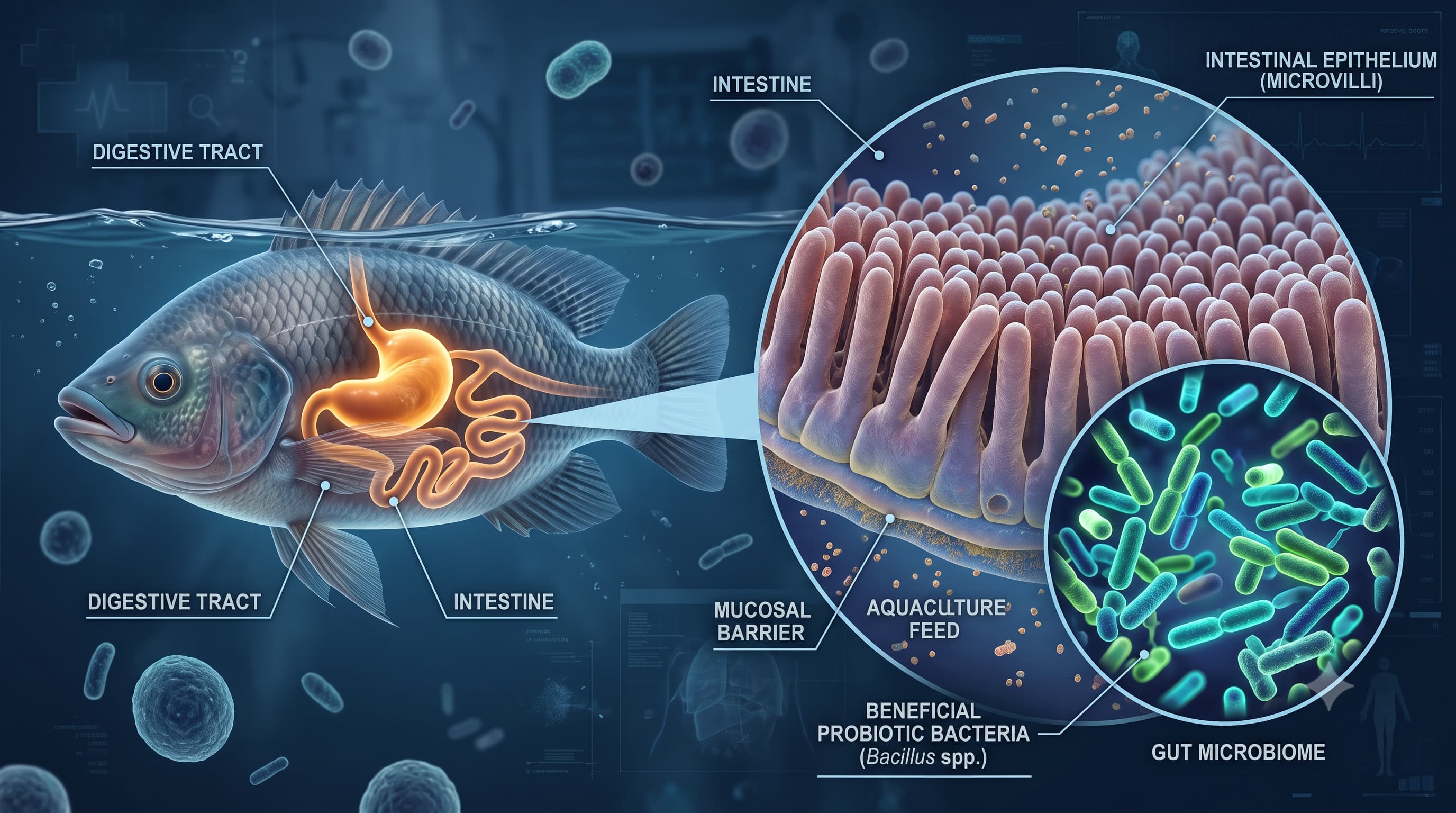 The goal is not merely to “add microbes”, but to create a gut ecosystem that better supports the animal.
Helping animals cope with stress
In intensive farming systems, stress caused by temperature, stocking density, water quality or disease pressure
can increase oxidative stress. Probiotics and synbiotics have been reported to support antioxidant enzyme systems
such as superoxide dismutase and catalase, potentially helping animals cope better with challenging conditions.
 Under farm conditions, outcomes are also strongly influenced by stocking density, water quality, temperature and feeding management.
There is no single formula for every farm
Effectiveness depends on the microbial strain, type of prebiotic, dosage, species and life stage,
duration of use, delivery method and environmental conditions. Therefore, the principle of “the more, the better”
is not scientifically sound.
Key message: aquaculture health management is expanding from pathogen control towards building
a healthier microbiome, a healthier gut and more resilient animals. This approach may help reduce dependence on antibiotics
and improve the long-term sustainability of aquaculture production.
Scientific source:
Abualreesh MH. (2026).
Effects of probiotics, prebiotics, and synbiotics on immune function,
disease resistance, digestive health, and stress management in fish culture.
Frontiers in Marine Science, Volume 13.
DOI:
10.3389/fmars.2026.1811972